


Table of Contents
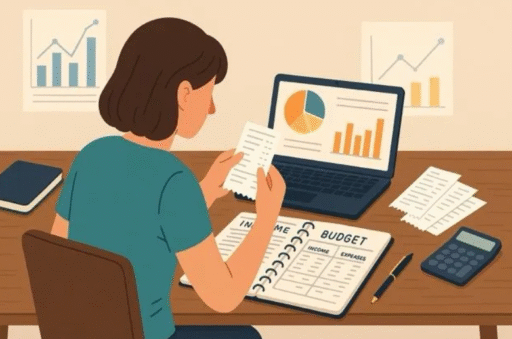
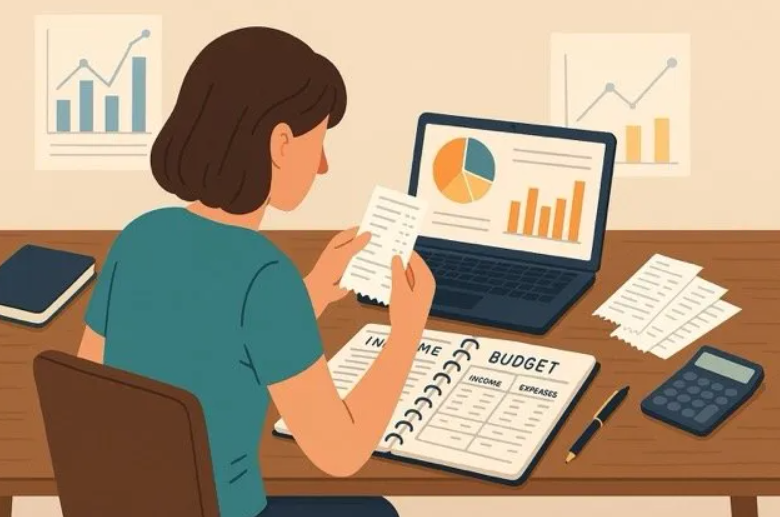
Money runs through your fingers like water through a sieve. You are diligent, you scramble and make a decent paycheck, but somehow you find that by the end of each month there’s hardly anything left. Sound familiar? You’re not alone. Millions of people are poorly equipped to manage their money, not because they aren’t pulling in enough income, but because time and again they make the same basic mistakes when budgeting.
The good news? These errors are all easily correctable once you’re aware of them. Budgeting blunders are like holes in a bucket, no matter how much water you pour into it, the same amount drains out. But block those holes, and suddenly that bucket is holding water just great. The same is true of your bank account.
This post exposes 6 common budgeting assumptions that are costing you and then demonstrates how to fix them! From myth-busting misconceptions to clarifying perplexing details, knowing these pitfalls will change your financial life — whether you’re a college student who’s new to money management or a seasoned professional aiming to save more. Let’s take a look at some of the errors that could be stealing thousands from you every year without your even knowing it.
Mistake #1: Not Having a Budget in Writing
Flying blind with your money is akin to embarking on a cross-country drive without a map or GPS at hand. Yes, you might finally end up somewhere but how much time do you waste driving in a circle?
Most people think they have a budget if they know what their approximate expenses are in their head. “I see what I spend,” they boast. But here’s the reality: your brain is awful at keeping tabs on dozens of minor transactions. That coffee here, that subscription there, those spur-of-the-moment buys — they all start to add up to real money.
Why This Mistake Hurts:
Without a budget in writing, you can’t control where your money goes. Research has shown that folks who don’t keep track of spending tend to overspend on non-essential purchases by 20-30%. That could be hundreds of dollars a month disappearing into thin air.
You also can’t establish worthwhile savings goals without a budget. How do you know if you can afford a vacation, a new car or put down for a house? You’re just throwing darts, and if you guess wrong, that can come with debt, stress and missed opportunities.
The Fix:
First, keep careful track of every expense for one month. Every coffee, every grocery run, every streaming service. Record them on paper, in a spreadsheet or with the help of a budgeting app — whatever works for you. Down the line, you’ll have real data that highlights where your money is going.
Next, delineate the categories for your spending: housing, transportation, food, entertainment, savings and so on. And give each category a specific dollar value that corresponds to how much you want it based on your income and priorities. Write it down or type it out. Make it real and visible.
Check in on it weekly at first, then monthly once you get the hang of it. Adjust as needed. Your life changes — and so should your budget. The trick is to have a plan and stick to it, most of the time.
Mistake #2: Not Taking into Account the Tiny, Every Day Expenses That Can Add Up
Five dollars doesn’t sound like a lot. Nor does 7 dollars or ten dollars. Yet these drops in the bucket are financial termites, slowly burrowing away your financial foundation until it crumbles.
It’s one of the sneakiest budgeting mistakes because each little purchase feels inconsequential. A fancy coffee, a lunch at work, an app you hardly use, a stop at the convenience store — none of these seem like causes for concern. But they multiply like rabbits.
The True Price of “Just a Few Bucks”:
Let’s consider some real numbers that may stun you:
| Daily Expense | Cost Per Day | Monthly Cost | Yearly Cost | 10-Year Cost |
|---|---|---|---|---|
| Premium Coffee | $5.50 | $165.00 | $1,980 | $19,800 |
| Workplace Lunch (takeout) | $12.00 | $360 | $4,320 | $43,200 |
| Unused Subscriptions | $1.00 per day | $30/mo. | $360 | $3,600 |
| Convenience Store Snacks | $4.00 | $120 | $1,440 | $14,400 |
| Total | $21.83 | $675 | $8,100 | $81,000 |
Yes, you read that right. Small daily expenditures, like $22 or less, can add up to over $80,000 a decade. That’s a down payment on a house, or a child’s college fund, or an ample retirement cushion.
The Fix:
Audit your small spending for a fortnight. Keep a record of every purchase under $20. You will likely be surprised by the total of these amounts.
Then choose your battles. You don’t need to do away with all small pleasures — life is, after all, meant to be enjoyed. But perhaps you brew coffee at home four days a week and splurge on one. Perhaps you bring your lunch to work three days a week rather than five. Tiny changes – big, game-changing results over time.
Don’t forget to cancel subscriptions you don’t use regularly. Streaming services, apps and memberships — try to think of that thing that you pay for online each month with an automatic subscription. In all likelihood, it’s something you never use. Review your credit card statements and eliminate with ruthless abandon what does not contribute substantive value to your life.
Mistake #3: Neglecting Irregular and Annual Costs
Car insurance, holiday gifts, annual subscriptions, property taxes, car repairs — these are infrequent expenses and so the fees associated with them do not seem urgent. Then along they come like an express train smashing up your entire budget.
It is one of the most frequent budgeting mistakes that makes a mess of even successful budgets. You’re chugging along, not exceeding your monthly budget, feeling like you have a responsible grip on your pocketbook. Then, boom — you get a renewal notice on your car insurance and you’re suddenly $600 in the hole.
Why This Rocks People Back On Their Heels:
Our brains naturally zero in on the day-to-day expenses that keep coming and coming, like rent and groceries. And annual or sporadic costs are abstract and appear distant, so we don’t plan for them. When they come, they seem like emergencies, even though we could have predicted them with perfect accuracy.
Credit cards become the “solution” to these “surprise” expenses, driving people into debt that chews up even more of their money with interest. It’s a losing battle to keep up, you’re always behind.
The Fix:
List every single non-monthly expense you can think of:
- Insurance premiums (car, home, health)
- Vehicle registration and maintenance
- Holiday and birthday gifts
- Annual subscriptions and memberships
- Property taxes
- Medical check-ups and dental cleanings
- School supplies and activities
- Home repairs and maintenance
Calculate your total annual cost and divide it by 12. That is what you need to plan on setting aside each month for those expenses. Pretend this is a bill you pay yourself.
Then open a different account for irregular expenses. Have your monthly sum of money go automatically. When those bills come, you’ll have the cash waiting. No stress, no rush, no credit card debt.
Mistake #4: Unrealistic Budget Levels That Never Last Very Long
Imagine you decide to make a serious push at saving money. You devise an ultra-strict budget that eliminates all fun expenses, reduces your entertainment budget to zero and mandates eating rice and beans for every meal. At best you make it to nine days before throwing in the towel completely and end up spending even more out of frustration.
Sound familiar? This budgeting error is the equivalent of crash dieting — extreme, unpleasant and bound to fail. But folks keep giving it a shot, expecting an ever so slightly different result.
Why Extreme Budgets Backfire:
Humans are not robots. We need flexibility and joy and treats here and there. You’re fighting against your own human nature when you create a budget so extreme or as restrictive as theirs that it cuts out everything fun. You may hold out for a couple of weeks, but eventually you will break down.
Even worse, failing often results in quitting on budgeting altogether. They say to themselves, “I tried budgeting and it did not work,” when the issue was an impossible goal.
The 50/30/20 Rule as Jumping Off Point:
A more moderate split of your after-tax pay looks like this:
50% for needs (housing, utilities, groceries, transport and insurance)
30% for wants (such as entertainment, dining out and shopping)
20% for savings and/or paying off debt (emergency fund, retirement, loan repayment)
It’s not an ironclad recipe — you can change the percentages based on what works with your situation. The point is maintaining balance. You’re saving and you’re being responsible, but you’re also living your life and doing things that are meaningful to you.
The Fix:
Start with small, achievable goals. Instead of “Save $1,000 this month” when you’ve never saved before, maybe something like “Save $100 this month” or even “Save $50 this month.” Just build the habit and confidence, then increase slowly.
Add some fun money to your budget. Set a certain amount of guilt-free monthly money for anything you want to spend it on. No justification needed. This “release valve” keeps the pressure from building until you finally explode and go on a spending spree.
Focus on progress, not perfection. If you end up spending $350 in groceries one month, when you planned to spend only $300, then that’s fine. Adjust, learn, and move forward. One flawed month does not wipe out all your other good work.

Mistake #5: Skipping Emergency Savings and Planning for Everything to Go Right
Things are strange like that, the way life throws curveballs in exactly when you don’t expect it. Your car breaks down. Your dog needs emergency surgery. You’re about to delve into a major work project and your laptop battery goes out. Your hours get cut at work. These are not freakish, rare events; they’re ordinary parts of the human experience.
But one of the most common budgeting mistakes people make is to budget only for best-case scenarios. They assign all of their dollars to fixed expenses, and perhaps a little fun, and leave no room for the inevitable curveballs tossed at them by life.
The Domino Effect of Not Having an Emergency Fund:
Without those savings, a large unexpected expense is a crisis. You have to charge on your credit cards, borrow from family or not pay other important bills. It triggers a financial chain reaction that can take months or years to recover from.
Nearly 40 percent of Americans would be unable to cover a $400 emergency expense without borrowing money or selling something, according to recent data. It’s not that they themselves are being irresponsible – it’s that they never allocated emergency savings in their budget.
How Much You Really Need:
| Emergency Fund Level | Amount | What It Covers |
|---|---|---|
| Starter Fund | $1,000 | Small emergencies, minor repairs |
| Basic Fund | 3 months expenses | Job loss, major repairs, medical problems |
| Solid Fund | 6 months expenses | Extended job loss, serious medical problems |
| Premium Fund | 12 months expenses | Major life disruptions or career changes |
Start with the starter fund. Get that first $1,000 into savings as fast as you can. This one step will take away so much financial stress in your life.
The Fix:
Treat your saving as a nonnegotiable bill. “Pay yourself first” isn’t just a saying — it’s crucial strategy. As soon as you get paid, transfer money to savings before doing anything else.
Start small if you need to. Even if you’re paid biweekly, $25 per paycheck would amount to $650 a year. Once you get comfortable with that amount, ratchet it up by $10 or $25. Do little more than continue to increase them until you’re saving 10-20% of what you earn.
Many experts recommend keeping your emergency fund in a different, easily accessible savings account at a high-yield savings institution. Not available enough that you reach into it for non-emergencies, but prepared enough that when true emergencies arise, you can get to it in a hurry.
Never stop building it. Once you reach it, keep it. If you have dipped into some for a real emergency, rebuilding it becomes your top priority until it gets back to the level of coverage you were originally targeting.
Mistake #6: Not Regularly Reviewing and Adjusting Your Budget
You made a budget six months ago and it was great – for that time. But since then, your rent went up, gas prices fluctuated, you received a raise, you took up a new hobby and your priorities changed. But you’re still clinging to that old budget like it’s stone.
This last budgeting blunder may not even seem like a big deal, but it’s the thing that causes most people to throw in the towel on budgeting all together. If your budget does not accurately reflect the way things actually are, then it’s no longer helpful, and is instead a huge source of frustration.
Why Static Budgets Fail:
Life is dynamic. Your income changes. Your expenses change. Your goals change. Any budget that fails to grow as your finances (and expectations) do is a quickly obsolete one. You’ll be forever overspending in some categories and underspending in others, which defeats the entire point.
People also change. What was important to you last year may not be so a year later. You used to drop a lot of money going out, but you’ve decided to stay in now. Perhaps you’ve found a new passion that comes with some budgetary needs. Let your budget reflect who you are now, not who you were.
The Fix:
Schedule monthly budget reviews. Choose a specific day of every month — perhaps the last Sunday, or the first Saturday — as your budget reflection time. Study what panned out, what didn’t and why.
And these are the questions you should be asking yourself every time:
- How closely did I adhere to my budget within each category?
- Which types tend to go over budget?
- Which categories do you generally have leftovers in?
- What has changed about me and my life that makes it important to be reevaluating these things?
- Am I progressing toward my financial goals?
- What changes would make this budget better?
Given your responses, make changes. If you constantly spend $100 too much on groceries and underspend by the same amount for entertainment, shift those allocations. Be honest with yourself about how much you’re actually spending, while also continuing to push yourself toward your savings goals.
Review your goals quarterly. Assess your bigger financial picture once every three months. Are you putting enough away for retirement? Building your emergency fund? Making progress on debt repayment? Use that quarterly check-in to strategize for changes in your budget priorities.
Your Budget Evolution Timeline:
| Review Frequency | What to Check | Typical Adjustments |
|---|---|---|
| Weekly (first 2 months) | Daily spending, Category totals | Small tweaks, fixing overspending |
| Monthly | All categories, Goal progress | Category reallocation, Habit adjustments |
| Quarterly | Big picture goals, Major expenses | Strategic priority changes, Goal updates |
| Annually | Complete financial health | Major restructuring if needed, New Goals |
Bringing It All Together: Your Plan For Budgeting Success
These six budgeting flaws cost Americans thousands of dollars a year — now you have the playbook on how to circumvent each one. Let’s recap the key actions:
Work out a written budget — Keep a record of every dollar received and spent
Record your little daily expenses, and make conscious decisions about which ones are really worth it
For the not-so-frequent expenses, plan for them by saving money each month towards your annual and periodic bills
Prioritize balance — Set manageable goals that include balance of responsibility and fun
Establish an emergency fund in the amount of $1,000 to start and add on from there
Review your budget regularly — Be sure to review and adjust your budget on a monthly basis to ensure it remains practical and feasible
The beauty of fixing budgeting errors is that the rewards compound. Fail to make these mistakes, and save an extra $200 this month? You have saved another $200. Do it for a year and you have $2,400. Do it for 10 years, and you have $24,000 plus whatever appreciation the money earns — enough to transform your life.
Your budget isn’t about restriction. It’s about intention. It’s about being cognizant of where your money is going, and making sure it ends up buying what actually matters to you rather than disappearing into the ether in spending patterns that grab your precious little attention or don’t even serve a purpose. It’s about creating the life you want, rather than feeling like all of your money just disappears.
Start today. Choose one of these six mistakes to correct this week. Just one. Master it, and then move onto the next. After six weeks, you’ll have handled all six, and your financial life will be transformed. You will have more money and less stress, and an easy path to achieve your financial goals.
The choice is yours. Continue these costly budget mistakes, or start correcting them today and see a difference in your financial situation. Your future self will be grateful.
Budgeting Mistakes Frequently Asked Questions
What is the biggest mistake most people make when budgeting?
The number one budgeting mistake is not having a budget at all. Most people maintain a mental ledger of what they spend, but that system is often rendered unreliable by the brain’s many cognitive biases and limitations. Without a budget on paper, you don’t really know how much control you have over spending and what patterns to look for or modify. Simply writing out a budget by hand will instantly increase your control of your money.
How much should I have in my emergency fund?
Begin with goal of $1,000 for basic starter emergency fund. That covers most minor emergencies, such as small car repairs or surprise medical bills. When you’ve reached that $1,000, work on squirreling away three to six months’ worth of living expenses. If you receive an uncertain income or your family relies on your high-earning salary, aim for six to twelve months. Develop it slowly – anything is better than nothing.
How frequently should I be revising my budget?
Check in with it weekly when you’re just starting to form the habit and be on the lookout for problems. After a couple of months, you can move to monthly check-ins in which you review spending patterns and make necessary adjustments. Check in more comprehensively on bigger financial goals with a quarterly review. And lastly, do an annual end-to-end analysis to be able to make strategic pivots. This multi-tiered model maintains the value of your budget.
Is it wrong to spend on enjoyable activities if you are budgeting?
Absolutely not! Budgeting doesn’t mean that you have to cut out everything enjoyable in your life. A balanced budget will include money for entertainment, hobbies and things you enjoy. In reality, adding “fun money” to your budget is probably going to make you more likely to follow it over the long term. You’re deliberately choosing how much you are going to spend on fun compared with what you need and save, rather than spending first and crossing your fingers that there’s something left over.
What if I continue to go over budget in some categories?
If you regularly overpay for certain categories, there are two things you can do. Start by asking yourself if you really can cut costs in that category with better habits or a different choice. Second, if it’s possible and realistic to spend that money, shift your budget around, allocate more dollars there and reduce elsewhere. Let your budget be in tune with the world around it — if you’re having to inflate numbers to accomplish it, give yourself some grace instead of feeling despair about not getting it right.
How can I stop impulse buying?
You might consider implementing a 24-hour rule for non-essential purchases over an amount (say, $50). When you have the urge to buy something, wait a day before purchasing. This pause will allow you to separate real needs from prompt wants. And delete stored payment details from shopping sites to make impulse buying more difficult. Create a dedicated “fun money” line in your budget, so you don’t feel guilty splurging on something that’s planned.
Can I have credit cards if I’m living on a budget?
Yes, you can use credit cards while operating on a budget, but do so as if they were debit cards — spend only the money you have in hand. Settle the whole balance each month to avoid interest charges. Some people even rely on credit cards for budgeting, as it makes it easier to track their spending with monthly statements and to earn rewards points. The problem isn’t the card, but spending money you can’t cash flow — if this is a struggle for you, switch to debit or cash until you develop new habits.