

Table of Contents
When most people think about exercise, their minds immediately jump to gyms, weights, or trendy classes. There’s a belief that you need intense cardio, specialized equipment, or a pricey membership to stay fit. Yet the most natural form of movement, something nearly all of us do every single day, often gets overlooked: walking.
Walking may be one of the most underrated forms of exercise. It’s simple, free, and accessible to almost everyone, regardless of age or fitness level. While it doesn’t have the glamour of marathon training or high-intensity workouts, science shows that walking is one of the most effective ways to improve your health and well-being.
This article may contain affiliate links. As an Amazon Associate and a partner of other programs, we may earn from qualifying purchases.
The Science of Walking
Walking may seem too easy to be effective, but its health benefits are backed by decades of research:
- Heart health: Walking just 30 minutes a day lowers the risk of heart disease and stroke.
- Weight management: Regular walking helps regulate metabolism and supports weight control.
- Joint-friendly movement: Compared to running, walking is gentler on the knees and hips, making it a more sustainable option over the long term.
- Mental clarity: Walking reduces stress and anxiety, improves mood, and even boosts creativity.
What makes walking unique is that it doesn’t punish the body. You receive many of the same benefits as more strenuous workouts, but with a lower risk of injury or burnout.
The Best Time to Walk
One of walking’s strengths is flexibility. You don’t need to carve out hours at the gym. Instead, you can weave it naturally into your day.
- Morning walks: Energize your body and clear your head before work or school.
- Lunchtime strolls: A mental reset that can boost productivity for the rest of the day.
- After-dinner walks: Support digestion, help regulate blood sugar levels, and provide a peaceful end to the evening.
There’s no wrong time to walk. The best time is whenever you can fit it in consistently.
How Many Steps a Day?
You’ve probably heard of the 10,000-step rule. While it’s a helpful benchmark, studies show that benefits begin at much lower numbers. Even 4,000 to 6,000 steps a day can reduce health risks and improve longevity. For many, aiming for 8,000 steps is both realistic and impactful.
The key is to focus less on perfection and more on steady progress. Adding a few extra minutes of walking each day makes a measurable difference over time.
Walking as a Lifestyle Upgrade
Walking doesn’t just improve your physical health. It naturally integrates into daily routines, enhancing overall quality of life.
- Swap a sit-down meeting for a walking meeting.
- Take a short stroll during work breaks instead of scrolling on your phone.
- Walk to the store instead of driving when errands are nearby.
- Use walks as family time to reconnect without screens.
Walking is an exercise that doesn’t feel like exercise. It refreshes your body and mind while fitting seamlessly into daily life.
Make Walking Comfortable
Walking may be simple, but the right gear makes it more enjoyable. A few minor upgrades can transform a good habit into a lifelong one.
- Shoes: Supportive walking shoes with cushioning protect your feet and joints. That is the most important investment.
- Clothing: Breathable, moisture-wicking fabrics keep you comfortable in all seasons.
- Accessories: A lightweight water bottle, quality socks, or a small backpack make longer walks easier.
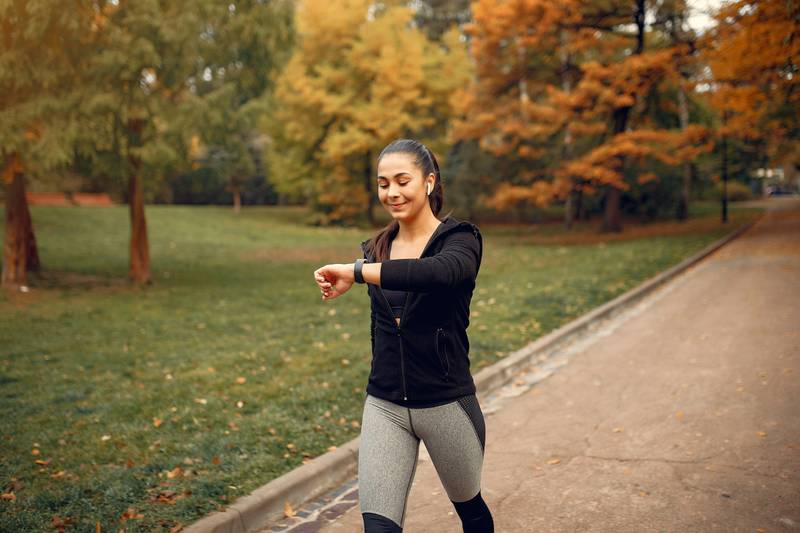
- Tech: Step trackers or smartwatches can help motivate you to reach your daily goals. Earbuds turn your walk into time for podcasts or music.
These aren’t just luxuries, they’re tools that help make walking sustainable. When you’re comfortable, you’ll naturally want to walk more.
Walking as a Gateway Habit
Many people struggle to start and maintain a fitness routine. Walking is the perfect gateway habit because it doesn’t require drastic changes.
- For beginners, it’s a gentle entry point into movement.
- For busy professionals, it’s a practical way to exercise without having to rearrange their schedules.
- For athletes, it’s an ideal recovery activity.
Walking adapts to you. It meets you where you are, and over time, the steps add up to significant health improvements.
Why Walking is Underrated
Walking is often dismissed because it looks too easy. It doesn’t come with dramatic before-and-after photos or flashy workout videos. Yet its very simplicity is its strength. It’s sustainable, low-cost, and effective.
Unlike fitness trends that rise and fall, walking has been a constant presence—and it will continue to be one of the most powerful forms of exercise for a long time to come.
Final Thoughts
Walking isn’t just movement; it’s medicine, stress relief, and a lifestyle upgrade rolled into one. It costs nothing, requires no training, and delivers results you can feel every single day.
Next time you feel pressured to start an intense fitness program, pause, lace up a comfortable pair of shoes, step outside, and start walking. It may be the most underrated exercise, but it’s also one of the most rewarding.
Related Articles
- Simple Morning Routines to Boost Your Energy
- Simple Stress Relief Techniques You Can Use Anytime
- Simple Tips to Improve Sleep Quality
- How to Stay Healthy While Traveling
- How to Create a Cozy Home Environment